
Boats and water
Around boats and water, life jackets and the weather forecast matter most.
- Wear a life jacket, with child sizes for children.
- Don't board overloaded or unsound boats.
- Check weather and water warnings; cancel if a storm is coming.
পাবনা
Pabna sits between the Padma and the Jamuna. The century-old Hardinge Bridge crosses the Padma at Paksey in Ishwardi, the town has the terracotta Jor Bangla temple, and Chatmohar has one of the earliest Mughal-period mosques — rivers and history together. The north and east of the district run into the Chalan Beel.
Drafted from public information and not yet checked by an editor. Confirm locally before you go.
Last updated: 07/10/2026
Details change over time. Check locally before you travel.
Saved only on this device; it also shows on your map and passport.
About the seasons: October to March is the most comfortable time, with sandbanks appearing in the Padma in winter. In the monsoon the river runs full and the view from the Paksey bank is at its best, but roads towards the Chalan Beel can be difficult.
Direct buses run from Dhaka via the Jamuna Bridge. There are regular buses from Kushtia and Rajshahi too; the Lalon Shah road bridge near Paksey links the two banks of the Padma.
Ishwardi Junction is a key hub of the western rail network, with trains to Dhaka, Rajshahi, Khulna and the north.
Ishwardi has an airport, but check whether scheduled flights are running before you plan around it; Rajshahi airport is also close.
Rickshaws and e-bikes get around Pabna town. Local buses and CNG auto-rickshaws run from town to Ishwardi–Paksey and Chatmohar.
Pabna town and Ishwardi both have basic and mid-range hotels.
This is general guidance on the kinds of stay available, not a recommendation of specific hotels. Check and book for yourself before you go.
Calculated with TravelVerseBD's cost model; real costs can be higher or lower.
Last updated: 06/10/2026
Details change over time. Check locally before you travel.
Approximate: BDT 1,300 – BDT 1,850
per person, per day (estimate)
Covers a place to stay, food, local transport and small extras. It does not include fares to get there, permits, guides, boat or jeep hire, or entry fees.
| Stay | BDT 700 |
|---|---|
| Food | BDT 600 |
| Local transport | BDT 250 |
| Small extras | BDT 150 |
| Total (per person, per day) | BDT 1,700 |
A further 10% is added as a buffer
Figures come from our open cost model (updated 6 Oct 2026), not from any shop's or hotel's prices. Real costs shift with festivals, season and bargaining.
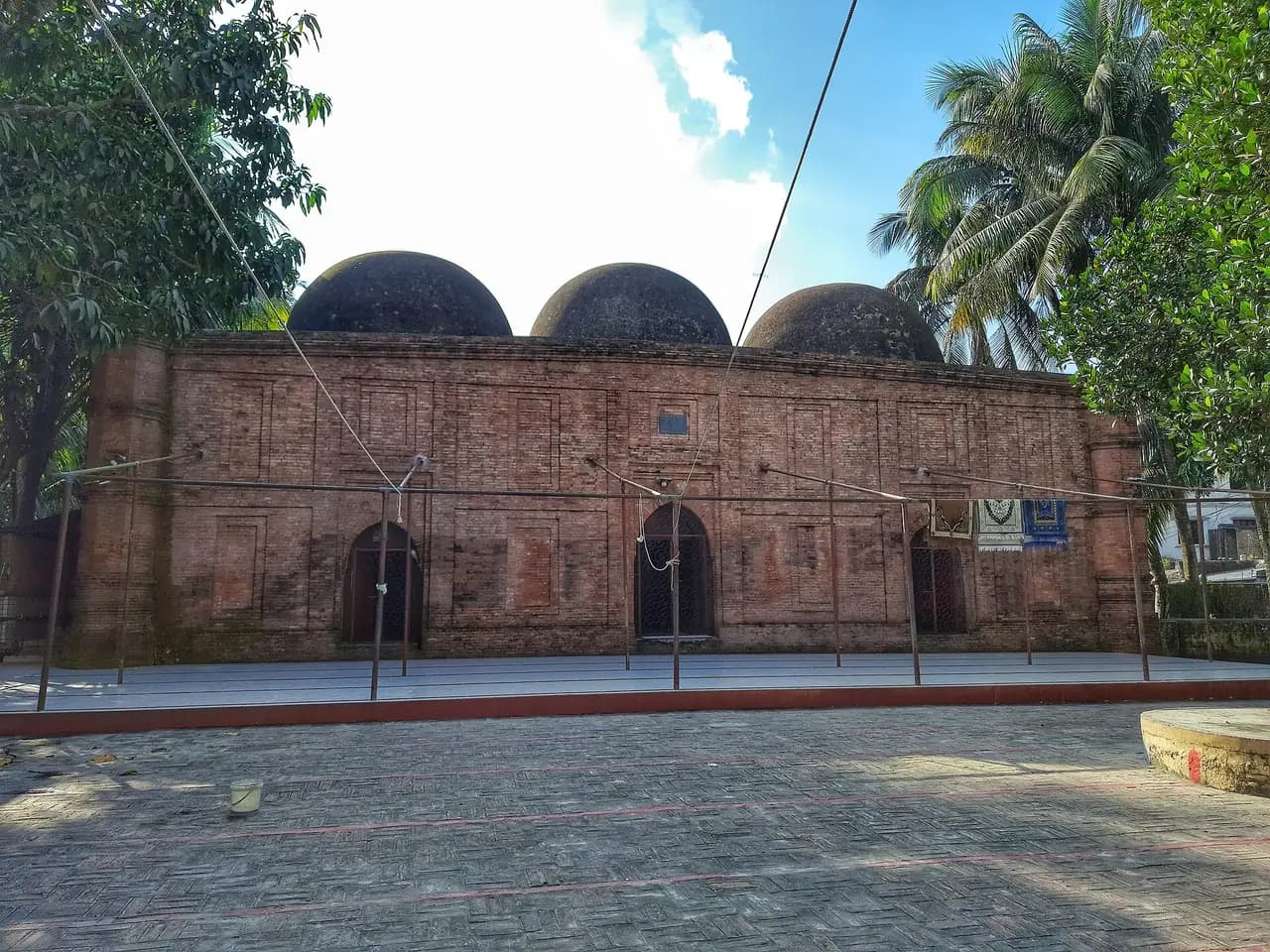
A three-domed mosque near Chatmohar bazar, built in 1582 under the patronage of Masum Khan Kabuli — one of the earliest surviving Mughal-period buildings in Bengal.
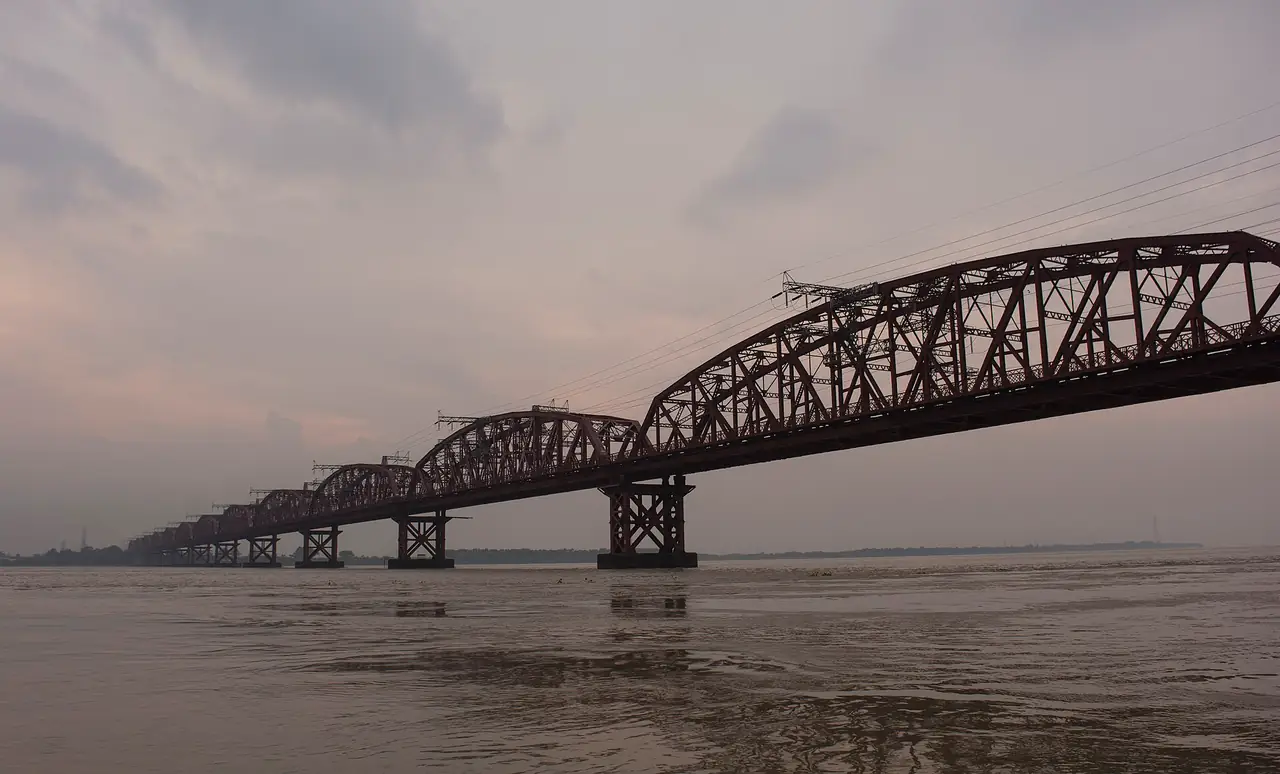
A steel railway bridge over the Padma, opened in 1915, linking Paksey in Pabna with Bheramara in Kushtia. The Lalon Shah road bridge runs alongside, and the Paksey riverbank gives a view of both.
A small temple in Kalachandpara, Pabna town, shaped like two joined thatched-roof huts; sources differ on whether it dates from the 18th or the 19th century. Once covered in terracotta, it is now protected by the Department of Archaeology.
The Padma banks erode and currents run strong in the monsoon, so keep back from the edge and don't wade in. Never walk on the Hardinge Bridge tracks. Winter fog can delay both road and rail early in the morning.
Details change over time. Check locally before you travel.
Practical tips, not rules. Customs vary by person and place, so watch what people around you do, ask when unsure, and use your own judgement.
Keep plenty of small notes. Cash is still the norm at village shops, tea stalls and on rickshaws.
Why: Change for large notes is often hard to find.
In towns many places accept bKash or Nagad, but do not rely on it in remote areas. Ask before you order or ride.
Why: Mobile payments stall wherever the network drops.
Withdraw the cash you need before leaving the district town. ATMs thin out in rural areas.
Agree the fare before you get into a CNG, rickshaw, van or boat: the trip out, the return and any waiting time. In bigger cities where ride apps work, they are an option too.
Why: Arguing about the fare afterwards leaves you with no bargaining power.
Buy long-distance bus tickets at the operator's counter and arrive a little before departure. On overnight buses keep a small bag within reach.
Launch, ferry and trawler timings shift with tides, weather and fog. Check at the ghat or with the boatman the day before.
Why: If the last boat has gone, there may be no way back that day.
Buses, trains and launches are packed around Eid. If you can, plan around those days.
Local contacts for this district are not yet verified. In an emergency, call 999.
Numbers can change. Re-check before you travel.
Know a verified contact? Suggest itAround boats and water, life jackets and the weather forecast matter most.
In crowds and traffic, watch your belongings and take care crossing roads.
General guidance; check the weather and local conditions yourself before you go.
This page was written using the sources below.
Spotted a mistake? Tell usIf something looks wrong or out of date, tell us and we'll check and fix it.