
Hills
Weather and path conditions in the hills can change suddenly.
- Stay on known paths and take a local guide.
- Avoid going alone in high-risk areas.
- Tell someone your route and return time.
- Tell someone where you are going.
সিলেট
Sylhet is two things at once: the city of Hazrat Shah Jalal's shrine on the Surma, and a gateway to tea estates, stony rivers and the border country below the Meghalaya hills. Jaflong, Lalakhal, Ratargul and Sada Pathor are all day trips from town, but each lies in a different direction, so trying to cram them into one day mostly means a lot of time on the road.
Drafted from public information and not yet checked by an editor. Confirm locally before you go.
Last updated: 07/10/2026
Details change over time. Check locally before you travel.
Saved only on this device; it also shows on your map and passport.
About the seasons: Sylhet's rivers and swamp forest are at their best from the monsoon into early autumn: Ratargul is flooded from June to September, and Bichanakandi and Sada Pathor have water too. Winter brings clear skies but low rivers, and the stone-collecting sites look bare. After heavy rain, flash floods come down from the hills and the rivers turn dangerous.
Regular intercity trains run to Sylhet from Dhaka and Chattogram, both day and overnight. The stretch through the Sreemangal tea gardens on the way is worth staying awake for.
Buses run day and night from Dhaka along the Dhaka–Sylhet highway.
Osmani International Airport has regular flights from Dhaka, plus some international routes.
Rickshaws and CNG auto-rickshaws cover town. Local buses and shared CNGs head towards Jaflong, Lalakhal and Sada Pathor, but for a group it is easier to hire a CNG or car for the day. The last leg to Ratargul, Lalakhal, Bichanakandi and Sada Pathor is by boat.
Most stays are in Sylhet city, with hotels at every level, especially around the Dargah area and Zindabazar. There are a handful of resorts out towards Jaflong and Lalakhal. Over Eid and long holidays, rooms go fast unless you book ahead.
This is general guidance on the kinds of stay available, not a recommendation of specific hotels. Check and book for yourself before you go.
Calculated with TravelVerseBD's cost model; real costs can be higher or lower.
Last updated: 06/10/2026
Details change over time. Check locally before you travel.
Approximate: BDT 2,750 – BDT 3,900
per person, per day (estimate)
Covers a place to stay, food, local transport and small extras. It does not include fares to get there, permits, guides, boat or jeep hire, or entry fees.
| Stay | BDT 1,800 |
|---|---|
| Food | BDT 1,000 |
| Local transport | BDT 450 |
| Small extras | BDT 300 |
| Total (per person, per day) | BDT 3,550 |
A further 10% is added as a buffer
Figures come from our open cost model (updated 6 Oct 2026), not from any shop's or hotel's prices. Real costs shift with festivals, season and bargaining.
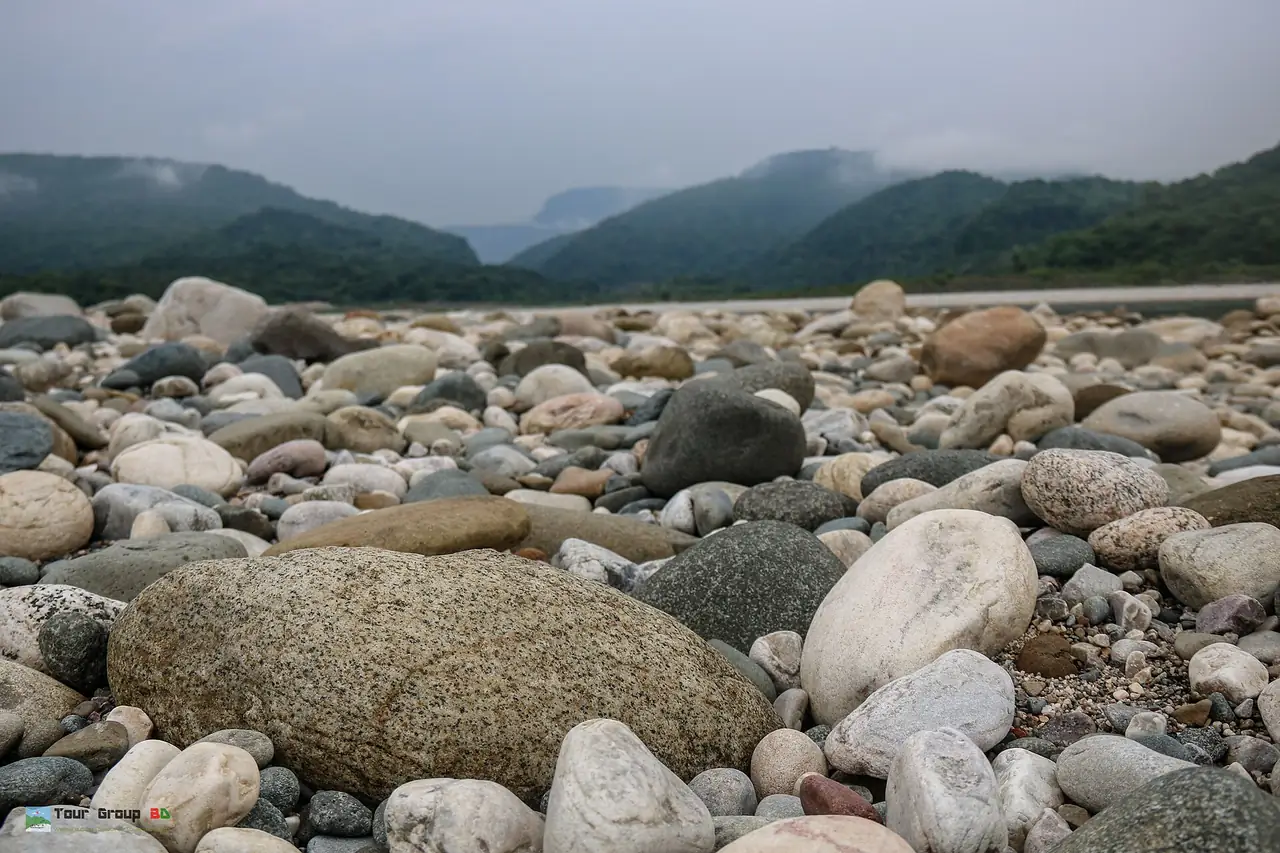
A spread of pale stones where the Dhalai river enters Bangladesh in Companiganj upazila, with the Meghalaya hills behind. In the monsoon, cold clear water runs over the stones.
A bed of stones under water flowing down from the hills in Gowainghat, which is roughly what the name means. In the monsoon you can sit in knee-deep water among the rocks.
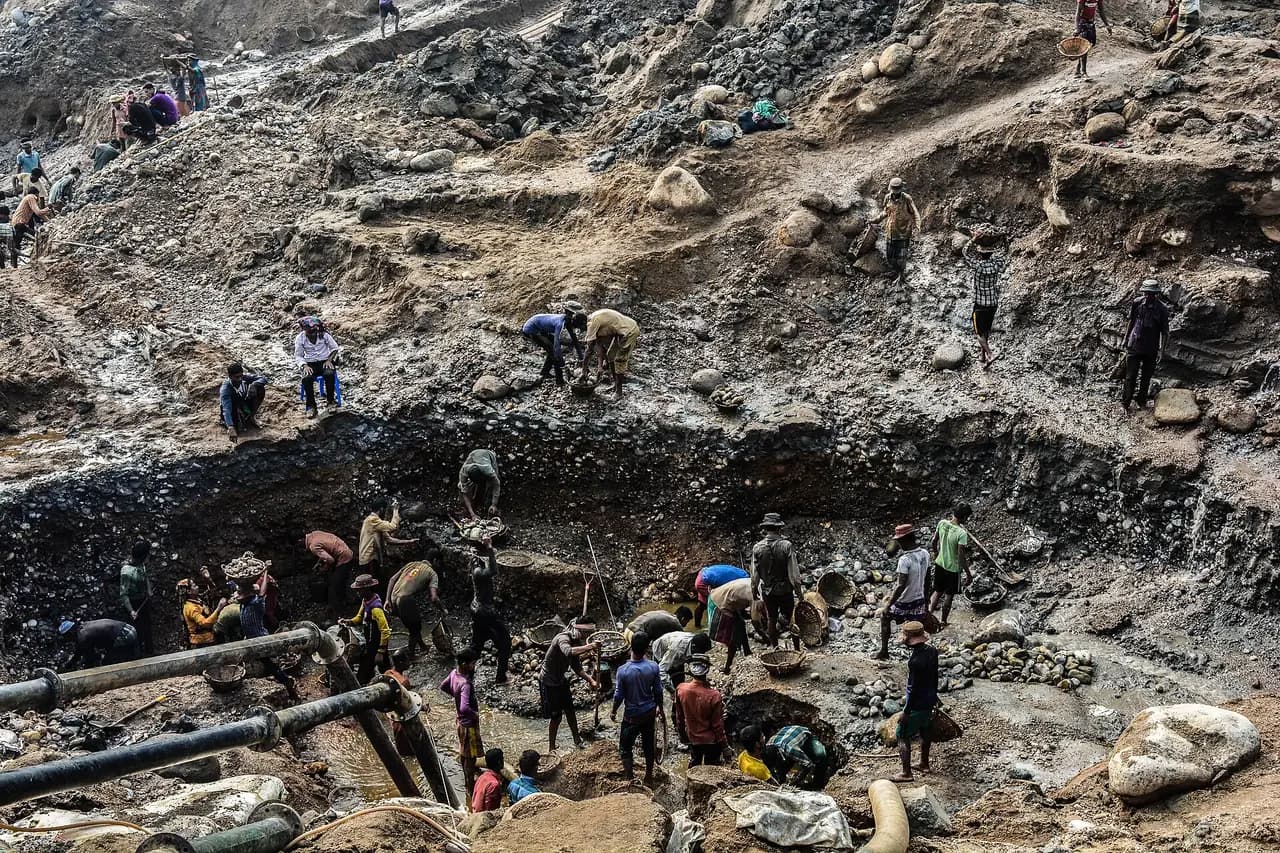
The bank of the Piyain river in Gowainghat, facing the Meghalaya hills and the Dawki bridge across the border. Known for clear water and stones, though stone extraction has changed it a lot and holiday crowds are heavy.
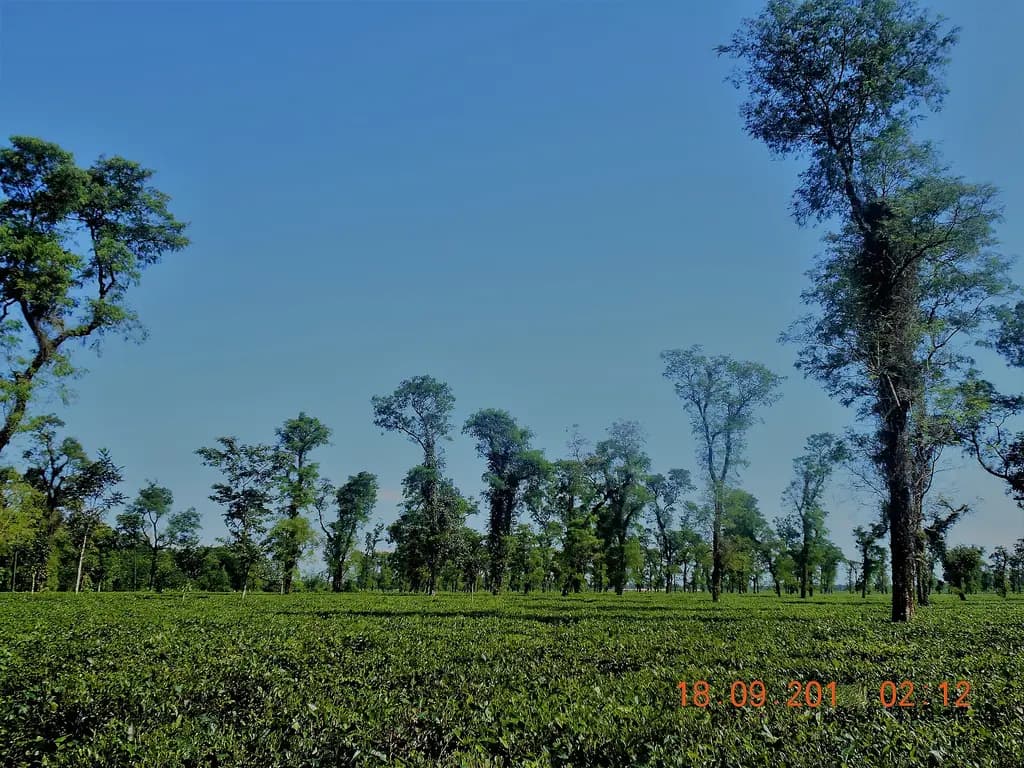
A small mixed evergreen forest surrounded by tea gardens, close to the city. It is quiet, and early mornings are good for birds and monkeys.
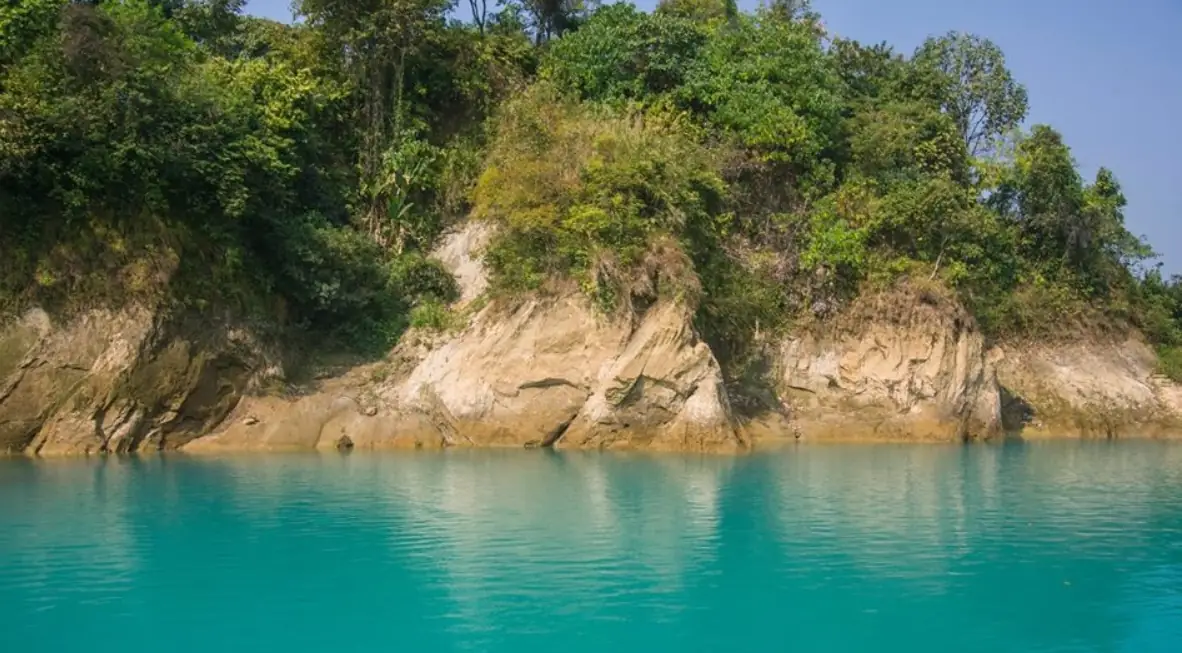
A stretch of the Sari river in Jaintiapur whose water turns a deep blue-green in the dry months. Boats run upstream towards tea gardens and the hills.
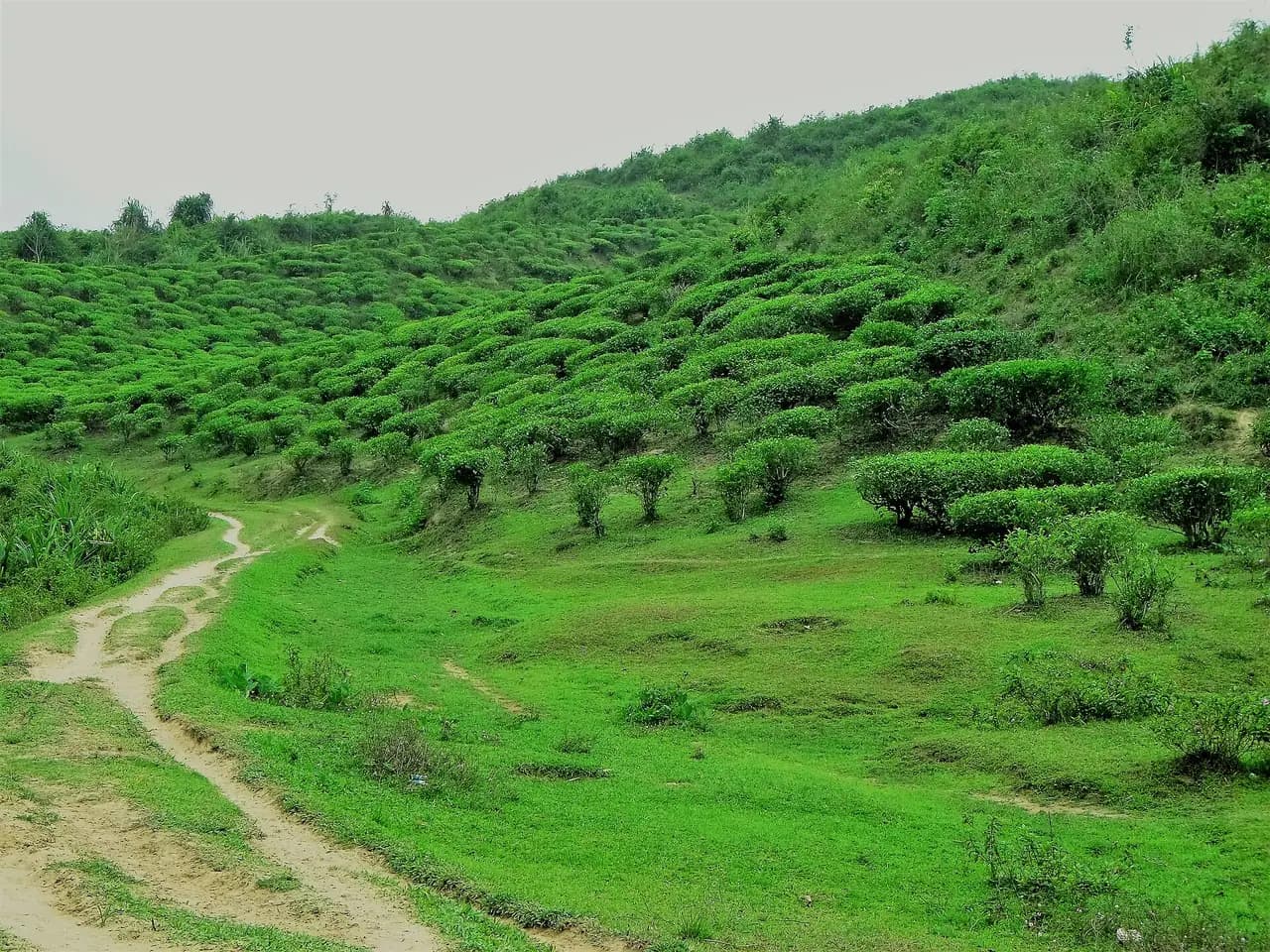
A 19th-century tea estate right beside the airport road out of town. You don't have to go far to walk among rows of tea bushes on the hillocks.
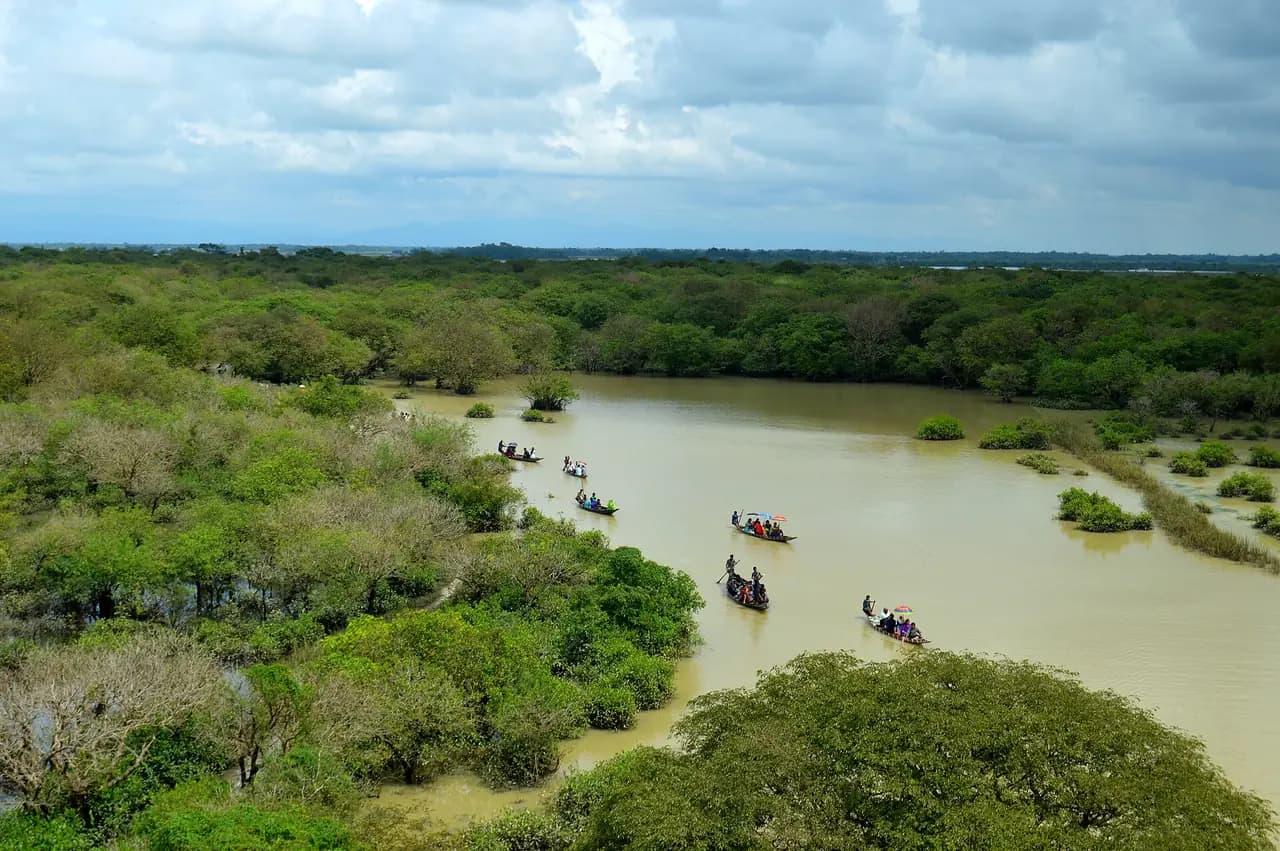
A freshwater swamp forest in Gowainghat upazila. In the monsoon the trunks of hijal and koroch trees stand in water and you glide between them in a small wooden boat.
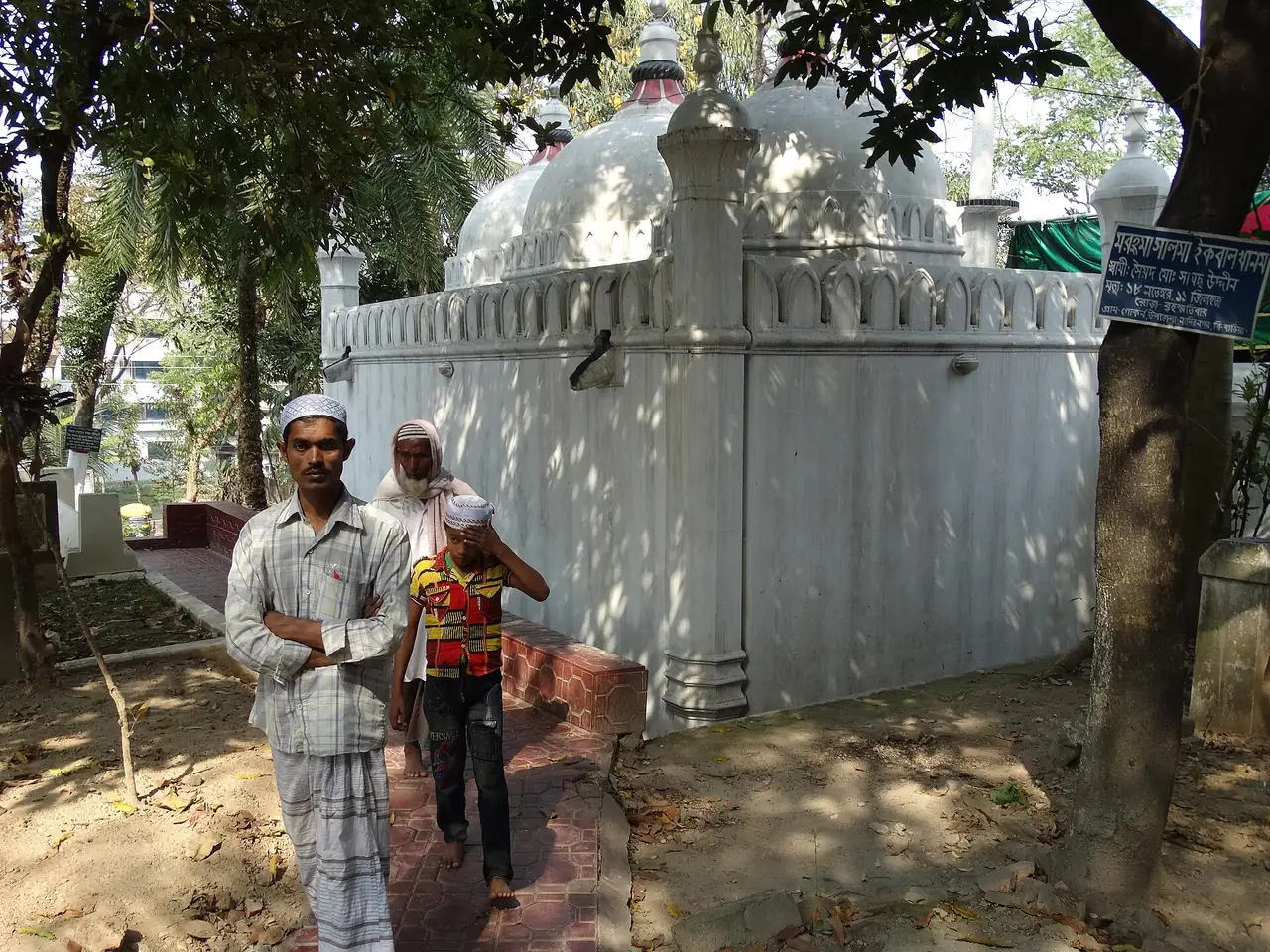
The shrine of the 14th-century Sufi saint Shah Jalal, the spiritual heart of Sylhet city. Visitors crowd round the pond's large fish and the famous 'Jalali' pigeons in the courtyard.
Dish
Shatkora is a fragrant, sour citrus from the Sylhet region. Beef or mutton cooked with its rind is the signature dish of Sylheti home cooking.
Drink
Malnichhara is often called the first commercial tea estate in the subcontinent. A cup at any roadside stall in town is the easiest introduction to Sylhet.
Tourists drown in Sylhet's rivers every year: at Jaflong, Sada Pathor and Bichanakandi the water can look calm while pulling hard underneath. If heavy rain brings a flash flood, get out of the river. The region floods in the monsoon, so check the forecast before you go.
Details change over time. Check locally before you travel.
Practical tips, not rules. Customs vary by person and place, so watch what people around you do, ask when unsure, and use your own judgement.
Agree the boat or CNG fare up front, including the return trip and waiting time.
Sada Pathor, Jaflong and Bichanakandi lie in different directions: plan one or two a day.
Keep plenty of small notes. Cash is still the norm at village shops, tea stalls and on rickshaws.
Why: Change for large notes is often hard to find.
In towns many places accept bKash or Nagad, but do not rely on it in remote areas. Ask before you order or ride.
Why: Mobile payments stall wherever the network drops.
Withdraw the cash you need before leaving the district town. ATMs thin out in rural areas.
Agree the fare before you get into a CNG, rickshaw, van or boat: the trip out, the return and any waiting time. In bigger cities where ride apps work, they are an option too.
Why: Arguing about the fare afterwards leaves you with no bargaining power.
Buy long-distance bus tickets at the operator's counter and arrive a little before departure. On overnight buses keep a small bag within reach.
Launch, ferry and trawler timings shift with tides, weather and fog. Check at the ghat or with the boatman the day before.
Why: If the last boat has gone, there may be no way back that day.
Buses, trains and launches are packed around Eid. If you can, plan around those days.
Local contacts for this district are not yet verified. In an emergency, call 999.
Numbers can change. Re-check before you travel.
Know a verified contact? Suggest itWeather and path conditions in the hills can change suddenly.
Around boats and water, life jackets and the weather forecast matter most.
Forests often have little signal and may have wildlife.
In crowds and traffic, watch your belongings and take care crossing roads.
General guidance; check the weather and local conditions yourself before you go.
This page was written using the sources below.
Spotted a mistake? Tell usIf something looks wrong or out of date, tell us and we'll check and fix it.