
Hills
Weather and path conditions in the hills can change suddenly.
- Stay on known paths and take a local guide.
- Avoid going alone in high-risk areas.
- Tell someone your route and return time.
- Tell someone where you are going.
হবিগঞ্জ
Habiganj is the first district you reach in Sylhet division coming up the Dhaka–Sylhet highway. In the south, Chunarughat's hillocks and tea estates hold the Satchari and Rema-Kalenga forests; to the north, around Baniachong and Ajmiriganj, the land drops into haor country. It sees far fewer visitors than Sreemangal, which is exactly why it suits a quieter forest trip.
Drafted from public information and not yet checked by an editor. Confirm locally before you go.
Last updated: 07/10/2026
Details change over time. Check locally before you travel.
Saved only on this device; it also shows on your map and passport.
About the seasons: Winter is the most comfortable season for forest walks, and birds and primates are easier to spot. In the monsoon the forest is lush and the haors brim with water, but trails are muddy and full of leeches.
Every Dhaka–Sylhet bus passes through the district; for Satchari, many travellers get off on the highway and switch to local transport. Direct buses to Habiganj town also run.
Shaistaganj Junction on the Dhaka–Sylhet line is in the district; from there, continue by road to town or Chunarughat.
CNG auto-rickshaws are the main way around. Satchari sits right by the highway, but the road to Rema-Kalenga runs inland and is rough, so hire a car or CNG for the day. In the monsoon, boats are the way to get around the haor areas.
Habiganj town has simple hotels, and a few resorts have opened along the highway and around the tea estates. Many people stay in Sreemangal and visit Satchari as a day trip.
This is general guidance on the kinds of stay available, not a recommendation of specific hotels. Check and book for yourself before you go.
Calculated with TravelVerseBD's cost model; real costs can be higher or lower.
Last updated: 06/10/2026
Details change over time. Check locally before you travel.
Approximate: BDT 1,300 – BDT 1,850
per person, per day (estimate)
Covers a place to stay, food, local transport and small extras. It does not include fares to get there, permits, guides, boat or jeep hire, or entry fees.
| Stay | BDT 700 |
|---|---|
| Food | BDT 600 |
| Local transport | BDT 250 |
| Small extras | BDT 150 |
| Total (per person, per day) | BDT 1,700 |
A further 10% is added as a buffer
Figures come from our open cost model (updated 6 Oct 2026), not from any shop's or hotel's prices. Real costs shift with festivals, season and bargaining.
Baniachong is often called the largest village in Asia. Its huge Sagar Dighi tank comes with a local legend about Queen Kamalabati, and nearby are the ruins of an old rajbari and the Bithangal Akhra.
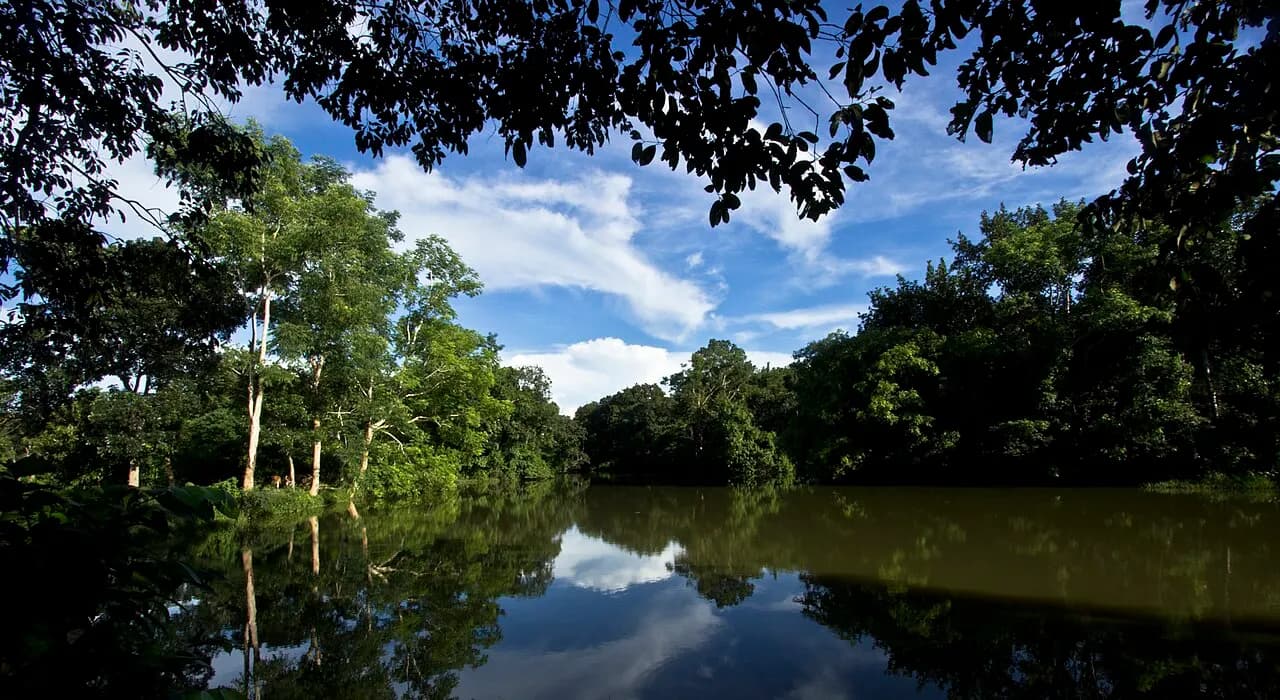
A dry evergreen forest against the Indian border in Chunarughat and one of the country's older protected areas. It is home to capped langurs, hoolock gibbons and a long bird list, with far fewer visitors than Satchari.
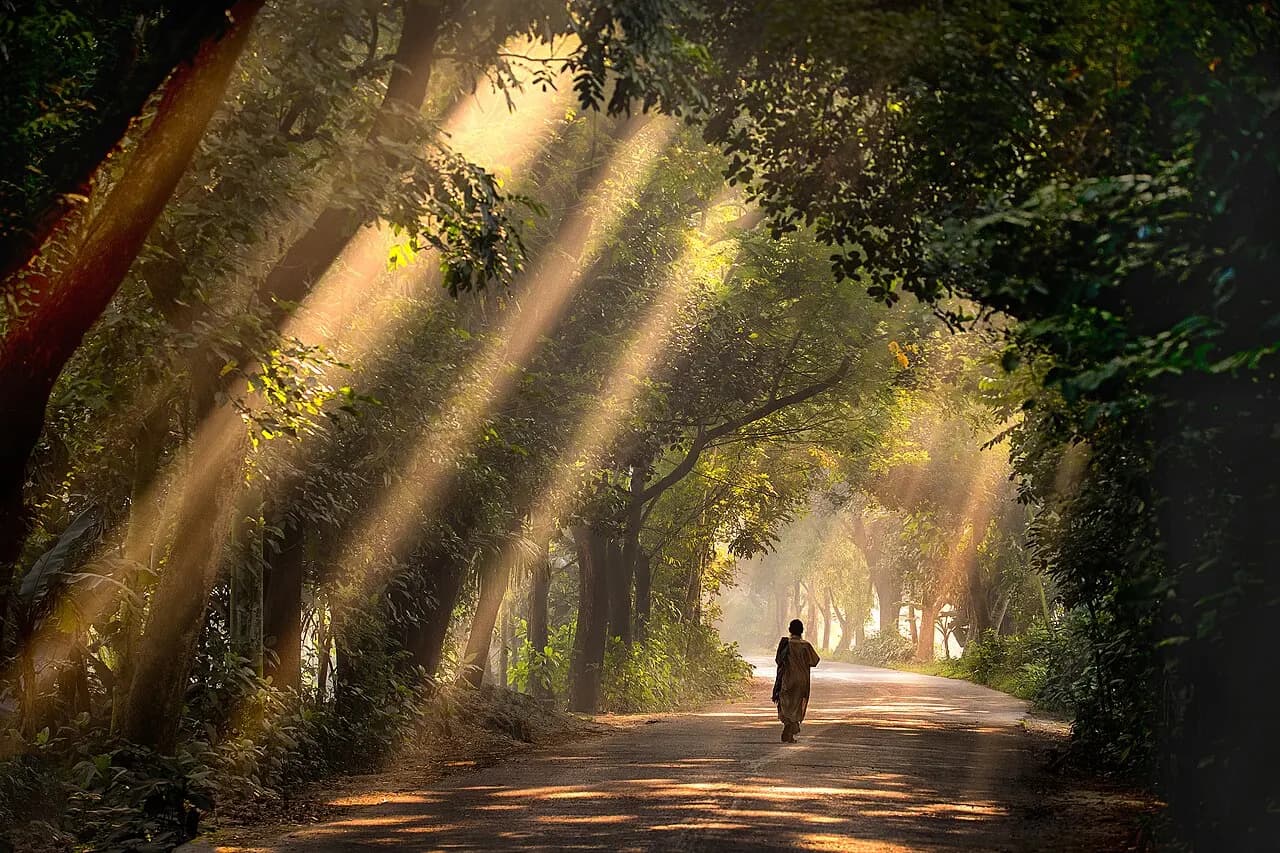
A small but dense forest beside the highway in Chunarughat; the name means 'seven streams'. Marked trails lead through it, with chances of hoolock gibbons and plenty of birds. A Tripura village lies inside the park.
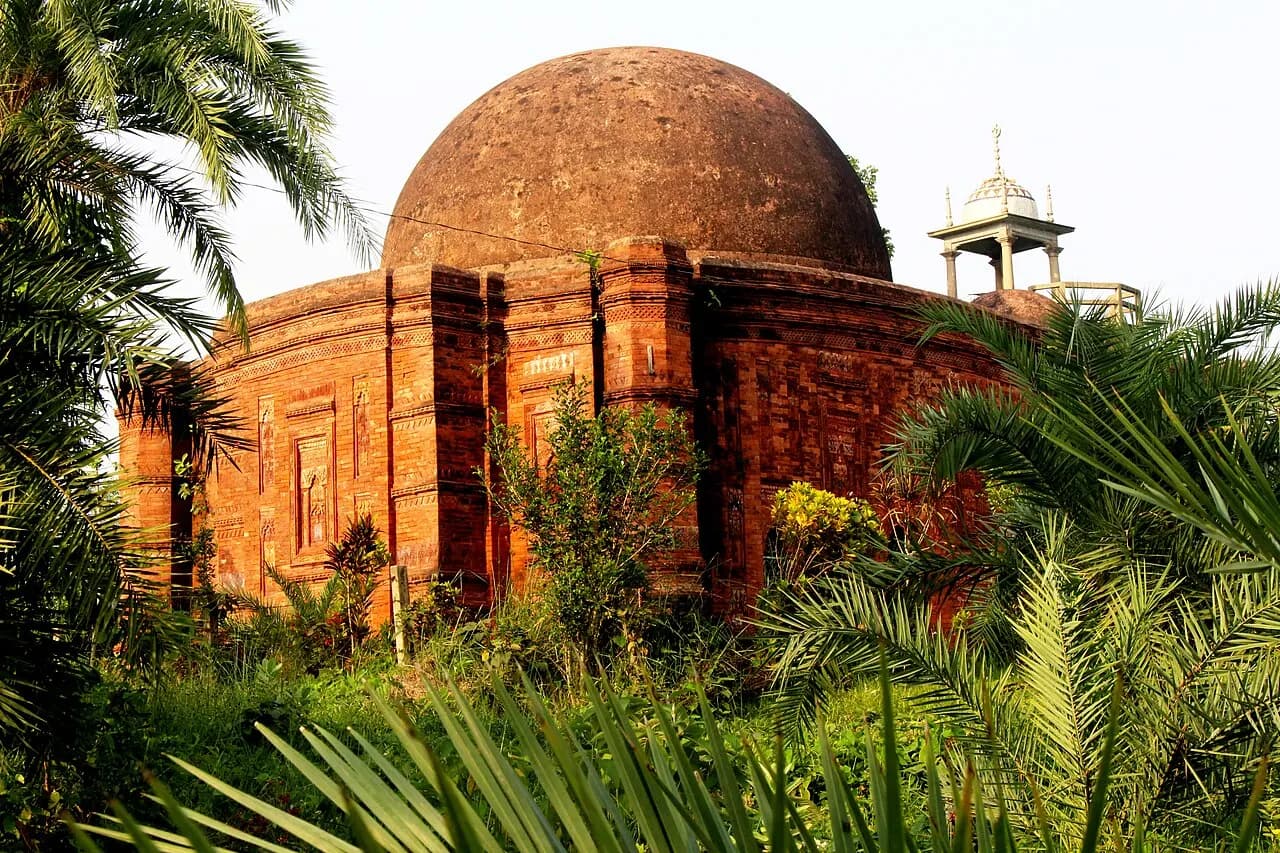
A small brick mosque from the Bengal Sultanate in Rajiura union of Habiganj Sadar, also called the Uchail Mosque. Built in the reign of Alauddin Husain Shah, it lay overgrown for a long time before being rediscovered.
In April 1971, the manager's bungalow of this Madhabpur tea estate hosted a key early meeting of the officers who led the Liberation War. A memorial stands in the estate today.
Don't stay in the forest alone or after dark, and stick to marked trails. Salt or leech socks help in the rains. Take care getting on and off buses on the highway, where traffic moves fast.
Details change over time. Check locally before you travel.
Practical tips, not rules. Customs vary by person and place, so watch what people around you do, ask when unsure, and use your own judgement.
Keep plenty of small notes. Cash is still the norm at village shops, tea stalls and on rickshaws.
Why: Change for large notes is often hard to find.
In towns many places accept bKash or Nagad, but do not rely on it in remote areas. Ask before you order or ride.
Why: Mobile payments stall wherever the network drops.
Withdraw the cash you need before leaving the district town. ATMs thin out in rural areas.
Agree the fare before you get into a CNG, rickshaw, van or boat: the trip out, the return and any waiting time. In bigger cities where ride apps work, they are an option too.
Why: Arguing about the fare afterwards leaves you with no bargaining power.
Buy long-distance bus tickets at the operator's counter and arrive a little before departure. On overnight buses keep a small bag within reach.
Launch, ferry and trawler timings shift with tides, weather and fog. Check at the ghat or with the boatman the day before.
Why: If the last boat has gone, there may be no way back that day.
Buses, trains and launches are packed around Eid. If you can, plan around those days.
Local contacts for this district are not yet verified. In an emergency, call 999.
Numbers can change. Re-check before you travel.
Know a verified contact? Suggest itWeather and path conditions in the hills can change suddenly.
Around boats and water, life jackets and the weather forecast matter most.
Forests often have little signal and may have wildlife.
General guidance; check the weather and local conditions yourself before you go.
This page was written using the sources below.
Spotted a mistake? Tell usIf something looks wrong or out of date, tell us and we'll check and fix it.