
Hills
Weather and path conditions in the hills can change suddenly.
- Stay on known paths and take a local guide.
- Avoid going alone in high-risk areas.
- Tell someone your route and return time.
- Tell someone where you are going.
কক্সবাজার
Home to the country's most popular beach. South of town, the Marine Drive runs with hills on one side and sea on the other, past Himchari and Inani towards Teknaf. Ramu's Buddhist monasteries, the hilly island of Maheshkhali and Saint Martin's out at sea make it much more than a beach trip. Just know that the town beach is packed in peak holiday season.
Drafted from public information and not yet checked by an editor. Confirm locally before you go.
Last updated: 07/10/2026
Details change over time. Check locally before you travel.
Saved only on this device; it also shows on your map and passport.
About the seasons: November to February brings calm seas and clear skies — the main season, so hotels are busy. The monsoon makes the sea rough and swimming dangerous, but crowds thin out and the hills turn green. Avoid the coast when cyclone signals are up.
Cox's Bazar Airport has regular flights from Dhaka — the quickest way to arrive.
Since the Chattogram–Cox's Bazar railway opened, direct trains run from Dhaka and Chattogram. Tickets sell out fast, so book early.
Many buses run from Dhaka and Chattogram, most Dhaka services overnight. Expect traffic on the Chattogram–Cox's Bazar road during holidays.
Easy-bikes and rickshaws cover the town. For Himchari and Inani along the Marine Drive, hire an open jeep or CNG for the day and agree the fare first. Speedboats and trawlers leave from the town ghat for Maheshkhali.
Kolatoli and the beachfront are packed with hotels and resorts at every price point, and there are quieter resorts towards Inani along the Marine Drive. In December and on public holidays, book ahead or you may struggle to find a room.
This is general guidance on the kinds of stay available, not a recommendation of specific hotels. Check and book for yourself before you go.
Calculated with TravelVerseBD's cost model; real costs can be higher or lower.
Last updated: 06/10/2026
Details change over time. Check locally before you travel.
Approximate: BDT 2,750 – BDT 3,900
per person, per day (estimate)
Covers a place to stay, food, local transport and small extras. It does not include fares to get there, permits, guides, boat or jeep hire, or entry fees.
| Stay | BDT 1,800 |
|---|---|
| Food | BDT 1,000 |
| Local transport | BDT 450 |
| Small extras | BDT 300 |
| Total (per person, per day) | BDT 3,550 |
A further 10% is added as a buffer
Figures come from our open cost model (updated 6 Oct 2026), not from any shop's or hotel's prices. Real costs shift with festivals, season and bargaining.
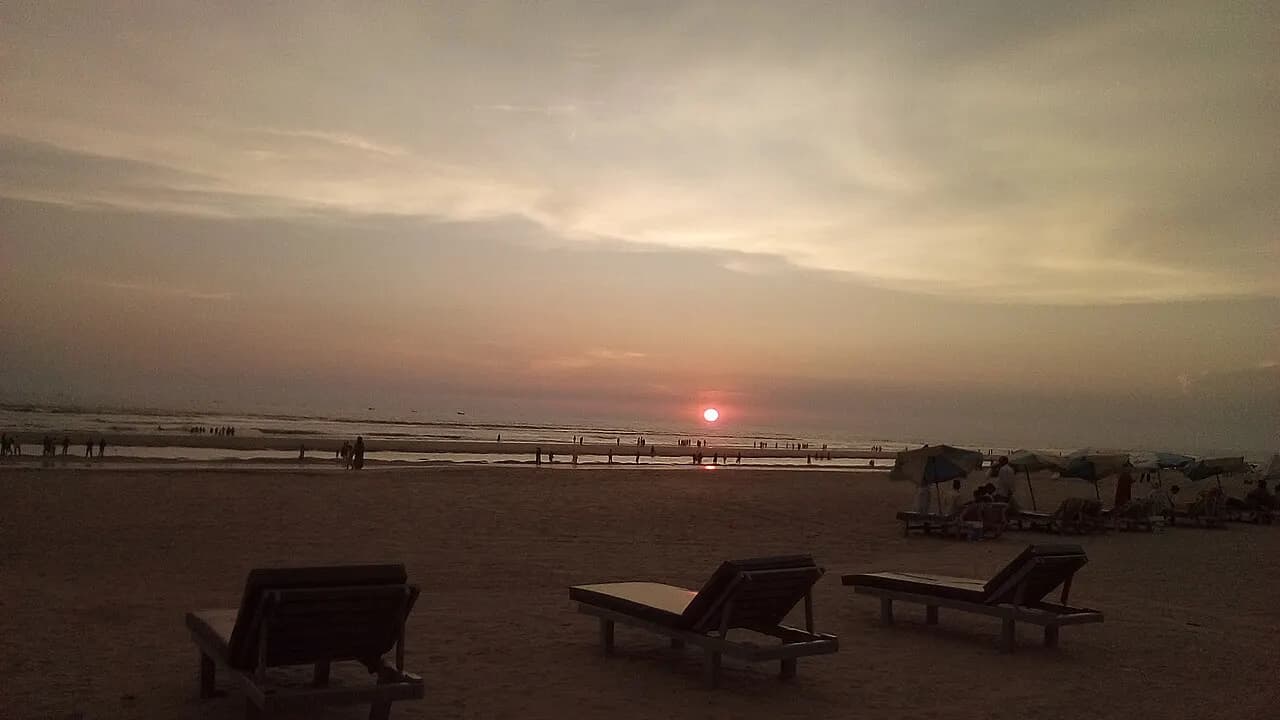
The long sandy beach in front of town, divided into the Laboni, Sugandha and Kolatoli points. Lively in the evening, much quieter at dawn.
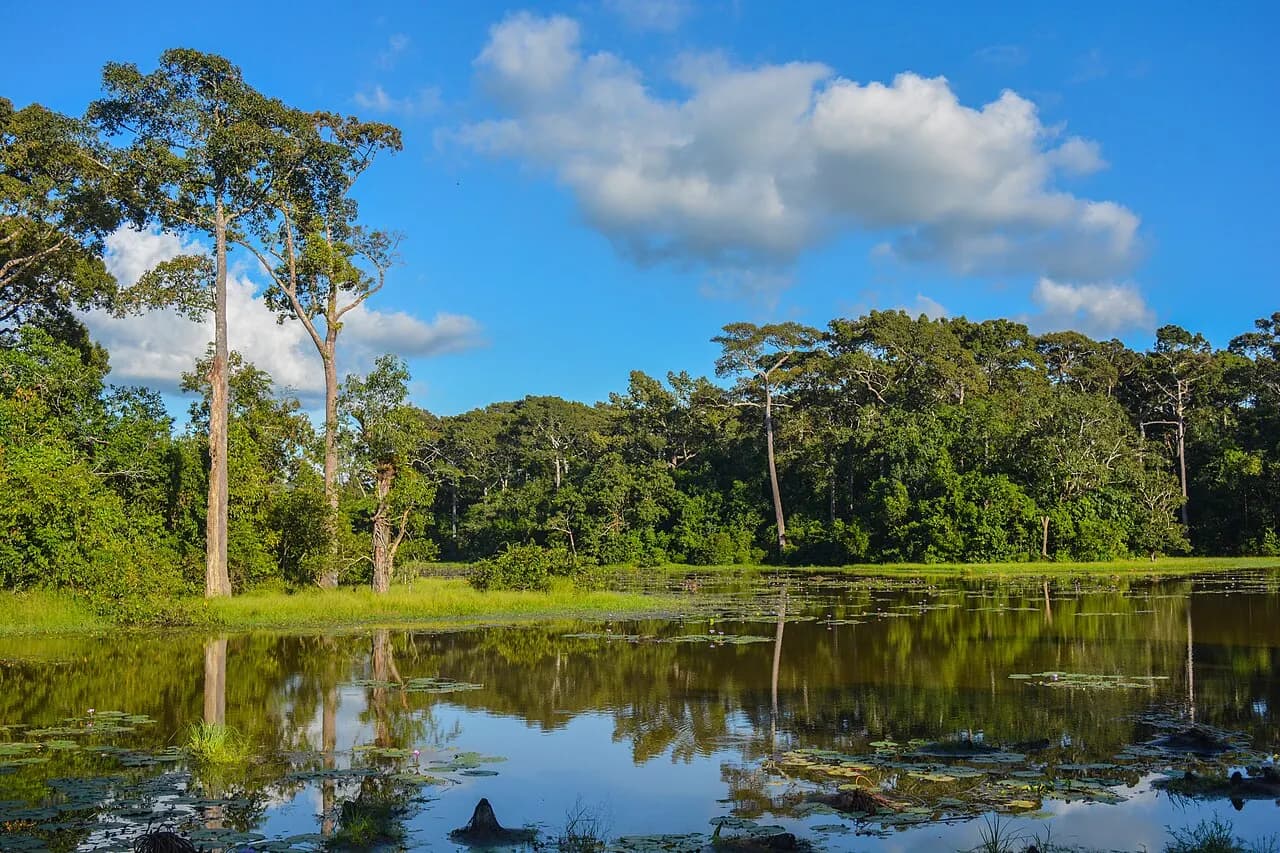
A safari park at Dulahazara in Chakaria, with animals kept in enclosures inside natural forest. It lies on the Chattogram–Cox's Bazar road and makes a good family stop.
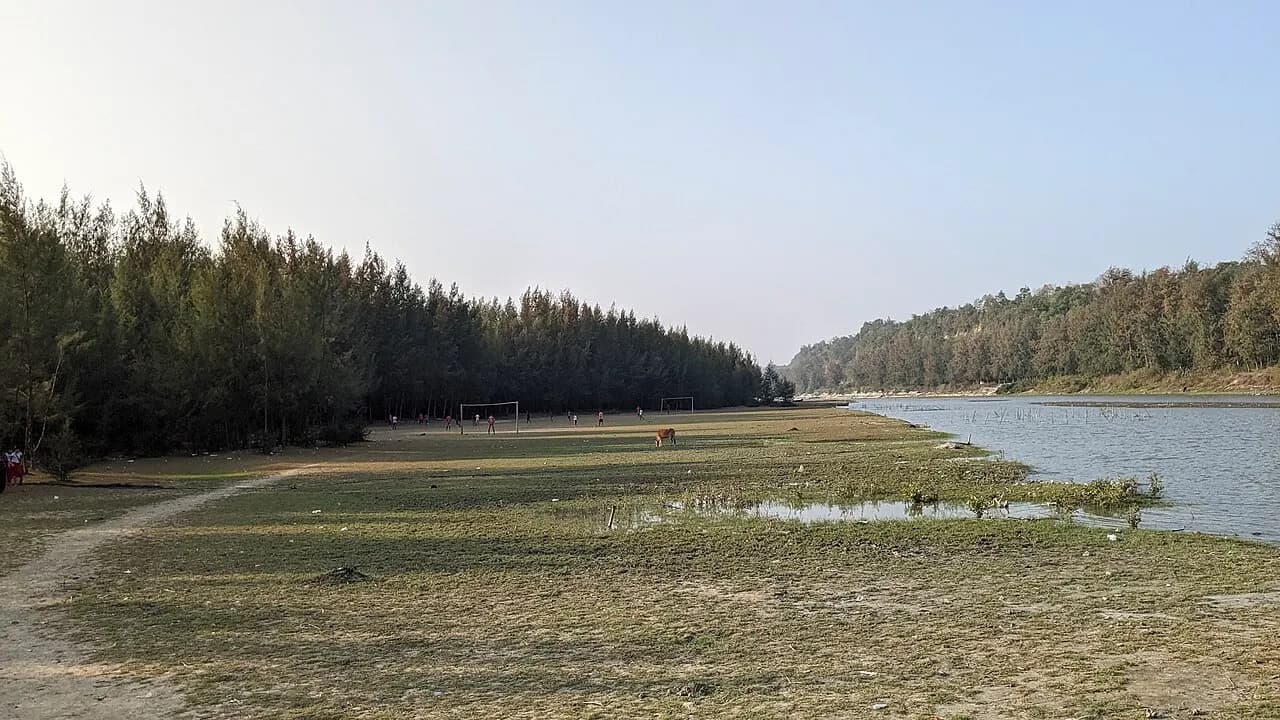
Where hills meet the sea along the Marine Drive. Climb the steps for a view down the long beach; the surrounding forest is part of Himchari National Park. The small waterfall only really runs in the monsoon.
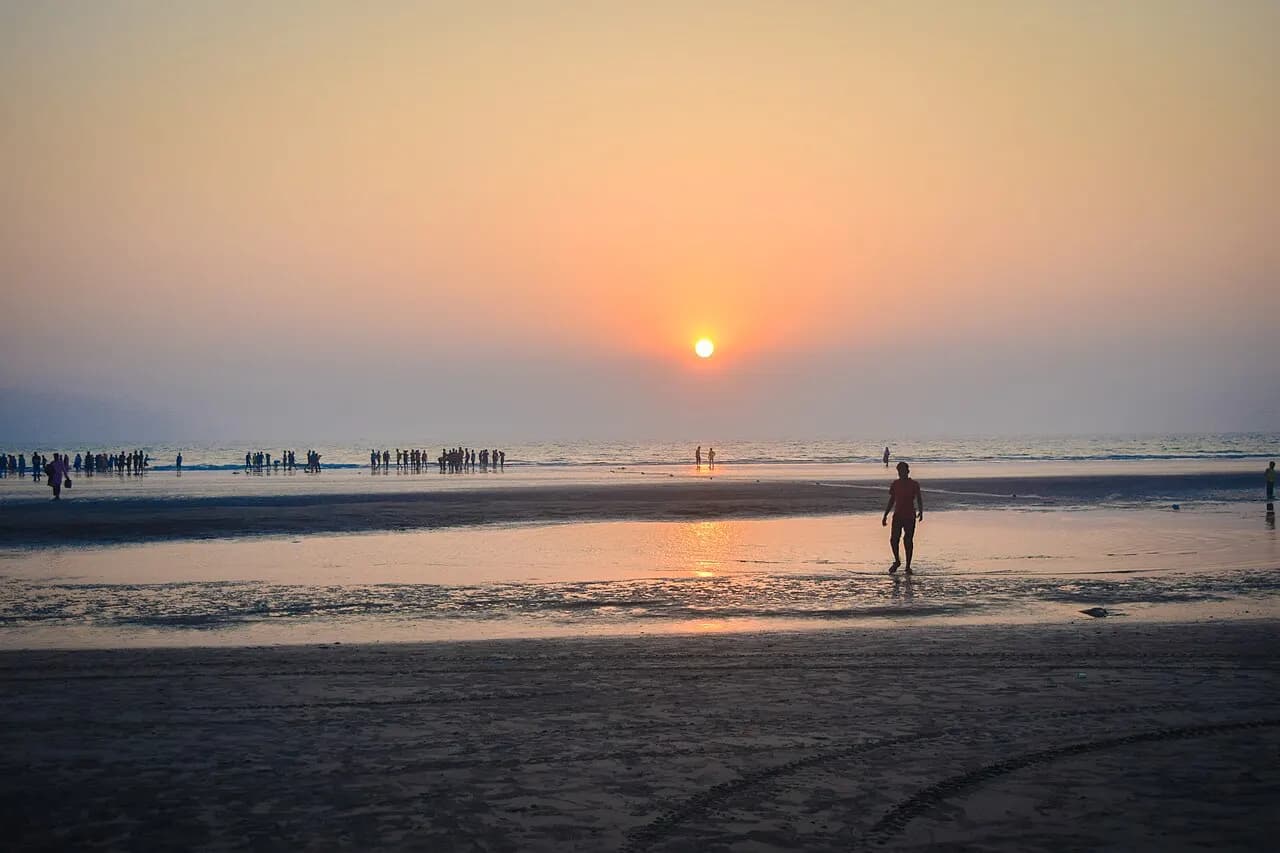
A beach scattered with coral rocks south of town along the Marine Drive. The rocks show at low tide, and it is much calmer than the town beach.
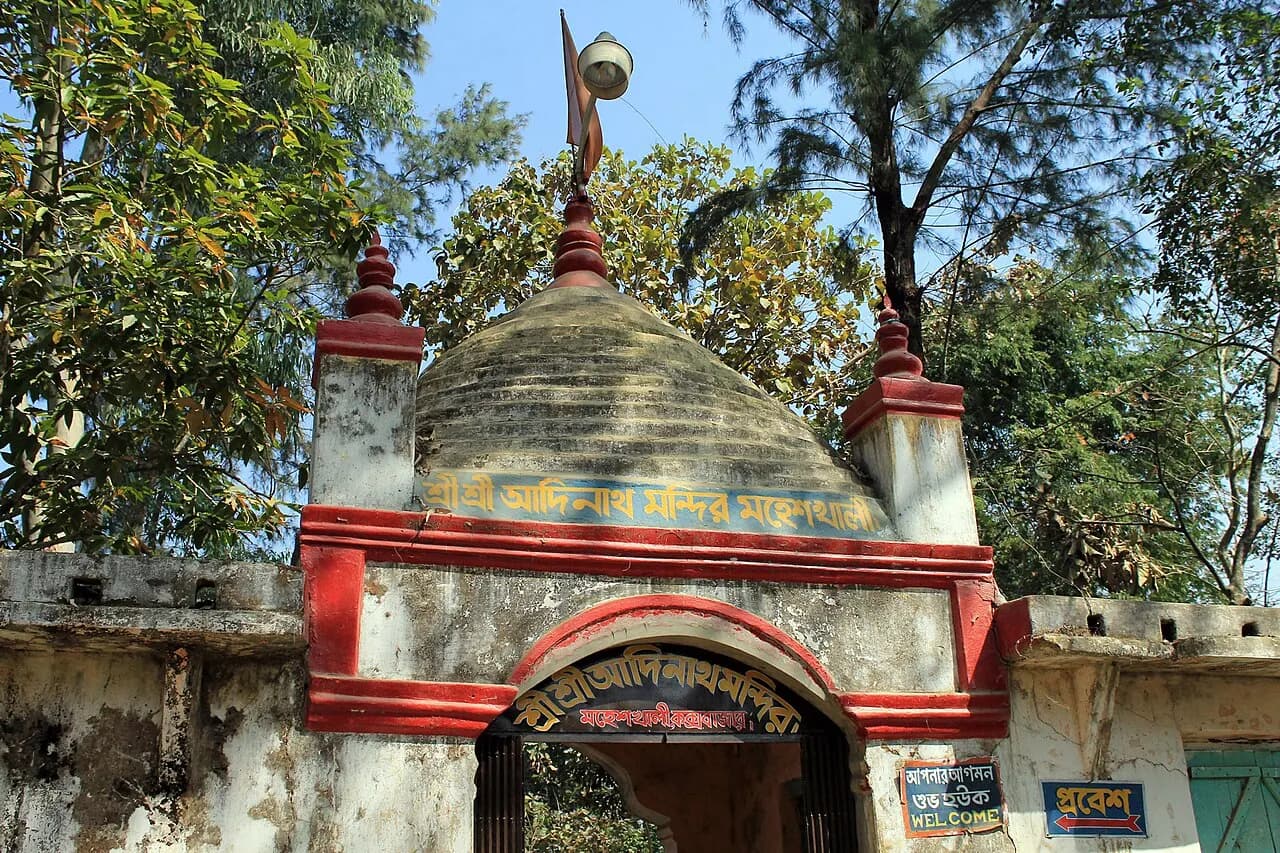
Maheshkhali is the country's only hilly island, with the Hindu pilgrimage temple of Adinath on a hilltop. Betel vineyards, salt fields and fish-drying yards give a real feel for coastal life.

Ramu, close to Cox's Bazar town, has many old and new Buddhist monasteries and kyangs. The large reclining Buddha draws the most visitors.
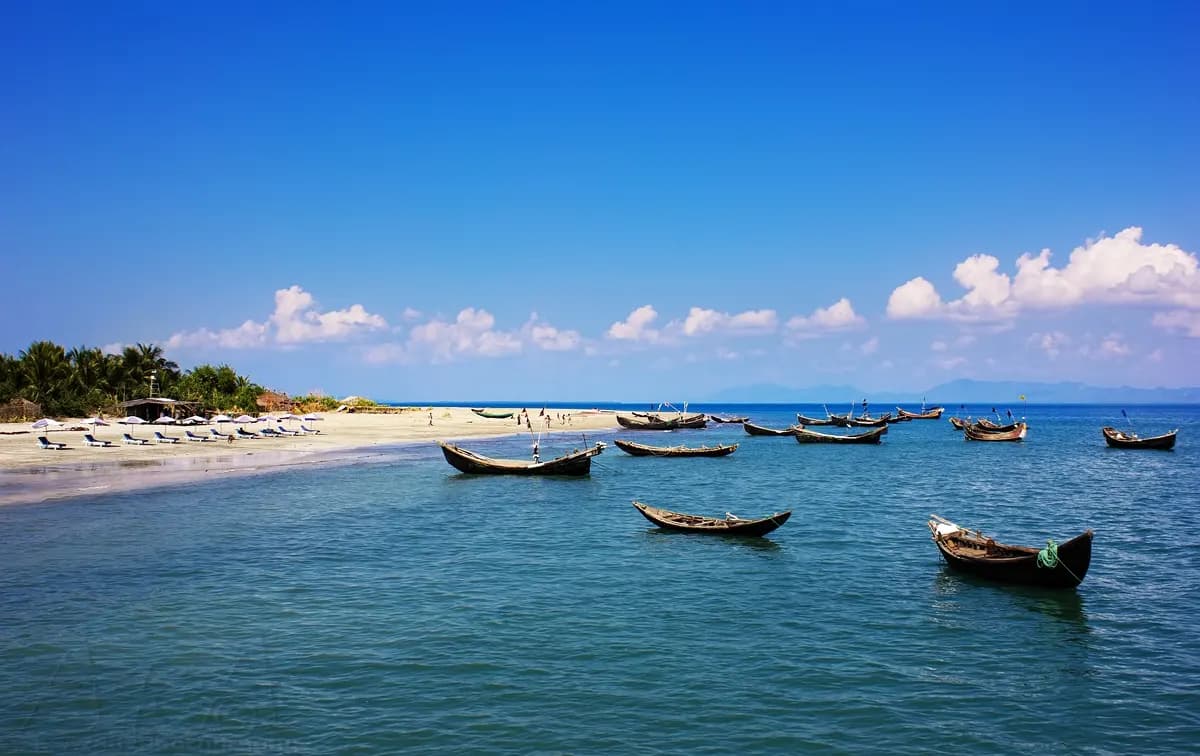
The country's only coral island, out at sea south of Teknaf, known locally as Narikel Jinjira. Clear water, coral rock and coconut palms — but the ecosystem is fragile and visits are now tightly regulated.
Local produce
Maheshkhali's sweet betel leaf is known across the country, and you will see the betel vineyards on the island.
Local produce
All kinds of sea fish sun-dried along the coast. Buy it in the town's dried-fish market, or try shutki bhorta at a local eatery.
Rip currents are the biggest danger on Cox's Bazar's beaches, and people drown every year. Swim only between lifeguard flags, in daylight and away from the outgoing tide — never at night or after drinking. If a current pulls you out, swim parallel to the shore rather than straight back. Follow security instructions around Teknaf and the border areas.
Details change over time. Check locally before you travel.
Practical tips, not rules. Customs vary by person and place, so watch what people around you do, ask when unsure, and use your own judgement.
Keep plenty of small notes. Cash is still the norm at village shops, tea stalls and on rickshaws.
Why: Change for large notes is often hard to find.
In towns many places accept bKash or Nagad, but do not rely on it in remote areas. Ask before you order or ride.
Why: Mobile payments stall wherever the network drops.
Withdraw the cash you need before leaving the district town. ATMs thin out in rural areas.
Agree the fare before you get into a CNG, rickshaw, van or boat: the trip out, the return and any waiting time. In bigger cities where ride apps work, they are an option too.
Why: Arguing about the fare afterwards leaves you with no bargaining power.
Buy long-distance bus tickets at the operator's counter and arrive a little before departure. On overnight buses keep a small bag within reach.
Launch, ferry and trawler timings shift with tides, weather and fog. Check at the ghat or with the boatman the day before.
Why: If the last boat has gone, there may be no way back that day.
Buses, trains and launches are packed around Eid. If you can, plan around those days.
Local contacts for this district are not yet verified. In an emergency, call 999.
Numbers can change. Re-check before you travel.
Know a verified contact? Suggest itWeather and path conditions in the hills can change suddenly.
Surf, currents and tides change quickly at the sea.
Forests often have little signal and may have wildlife.
General guidance; check the weather and local conditions yourself before you go.
This page was written using the sources below.
Spotted a mistake? Tell usIf something looks wrong or out of date, tell us and we'll check and fix it.